Monday, April 26, 2010
Stormwater Solutions
"Stormwater Pollution Solutions." YouTube. The City of St.Charles Public Water Works Department, 19 Nov. 2007. Web. 26 Apr. 2010.

Storm drains?
Ever wonder where storm drains lead? Well actually they just end up coming out into OUR waterways. This water goes untreated through the system and just goes into our water supply. The only purpose is to prevent the flooding of streets. So all of that runoff pollution I have been talking about just runs directly into the water. This is different from a sewer which take the water to a treatment facility.
Thunderstorms...
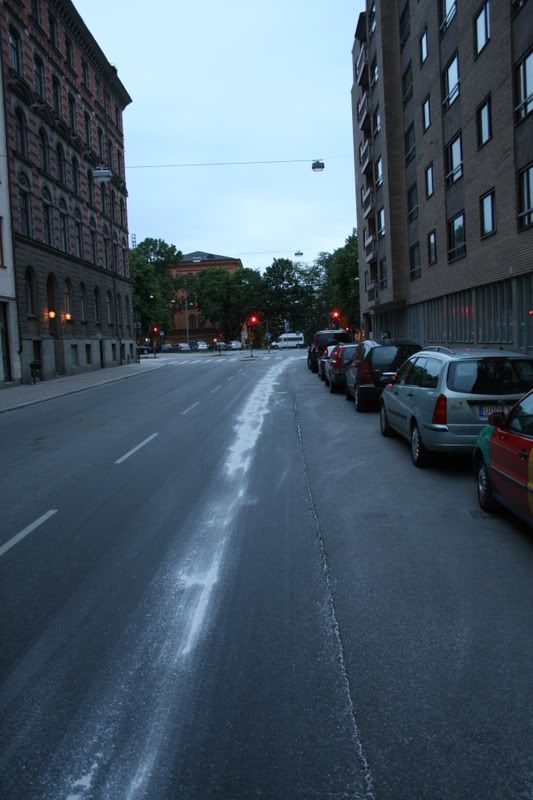 So I really enjoy a good thunderstorm...this weekend we had some nice ones roll through Statesboro, GA. While driving home from a pretty eventful evening I notices oil amongst other contaminants on the road way. This just goes to show how much water pollution comes from storm water. In many areas flooding occurs on a regular basis contributing to thousands of gallons of polluted water.
The main source of this problem can be prevented by taking personal responsibility. Not leaving contaminants near sources of water, using car washed that collect water from cleaning a dirty car, and disposing of waste properly.
(Photo courtesy of BobYork of photobucket.com)
EMISSIONS!!!

Ok, so before doing some research I really thought that emissions testing was just an annoying part of living in metro Atlanta.
Automotive emissions have a huge impact on water pollution. Emissions testing is one way that government trues to do their part in cutting down on water pollution. In large cities like Atlanta and New York they require an annual emissions test on all vehicles. This is to reduce air pollution which leads to water pollution through runoff and acid rain.
Another solution preferred by many would be hybrid or alternative fuel vehicles. These both greatly reduce emissions.
(Photo courtesy of Stratosphere2020 of photobucket.com)
Monday, April 19, 2010
Agricultural Pollution
I was really surprised to find out how bad pollution is on farms. I mean you think about fertilizers being bad for the soil but that's about it. Come to find out if there is too much manure on a farm this can be worse than most municipal wastes. There is also milk spillage, this is extremely dangerous. All of these affect the nitrates in the soil and remove a lot of the oxygen in the water that comes in contact with this soil. Then you even have things like oil from tractors, old batteries, and poor storage of fertilizers and feed.
I found a cite that give a lot of great solutions for agricultural pollution. These include things like not fertilizing before a storm, using organic fertilizers, and recycling oil and batteries.
I found a cite that give a lot of great solutions for agricultural pollution. These include things like not fertilizing before a storm, using organic fertilizers, and recycling oil and batteries.
A solution to runoff...
Porous pavement can really help reduce runoff in large cities. This pavement prevents oil and other contaminants from getting to the soil. It lets the water flow through it and is stored in a rocky area that filters the water before it reaches the soil. This can be a really good solution. It would be costly and does have some problems. In cold weather it does not really hold up very well. This would be a great application for parking lots and even highways. It can even prevent hydroplaning. This is really cool.
The use of trees is a great idea as well. Trees can be used to soak up a lot of rain water in areas that have trouble with flooding. Another great solution would be the addition of plants on rooftops. The plants will soak up the water and prevent it from running across a filthy building into our soil.
The use of trees is a great idea as well. Trees can be used to soak up a lot of rain water in areas that have trouble with flooding. Another great solution would be the addition of plants on rooftops. The plants will soak up the water and prevent it from running across a filthy building into our soil.
Flooding!!!
Floods cause a great deal of pollution to our waterways. This is something most people don't think too much about. Even in small amounts flooding can reach sources of contamination. Floods can cause sewers to overflow, or even rupture. It can cause dangerous chemicals from various places to reach the water. Municipal waste can flow into the water, various dumps and other waste facilities will begin to leak into waterways. In Atlanta, even after years of drought, flooding is a threat to the water.
Subscribe to:
Posts (Atom)